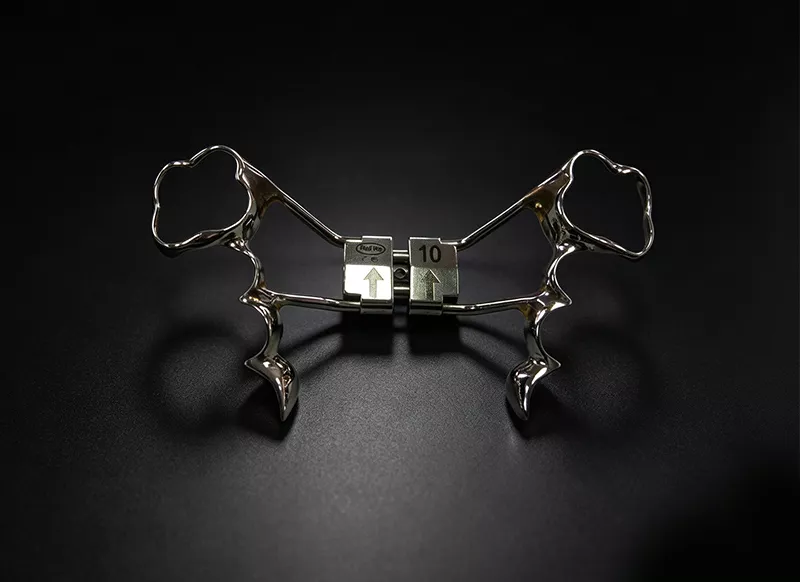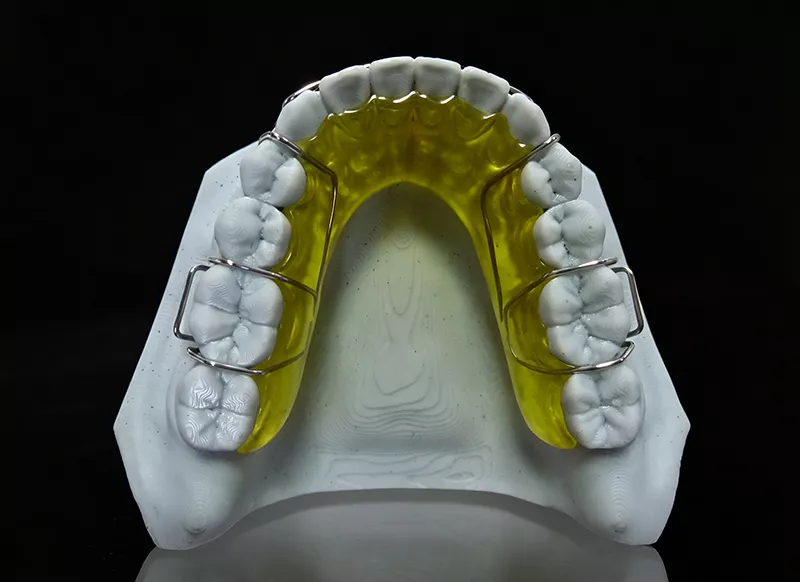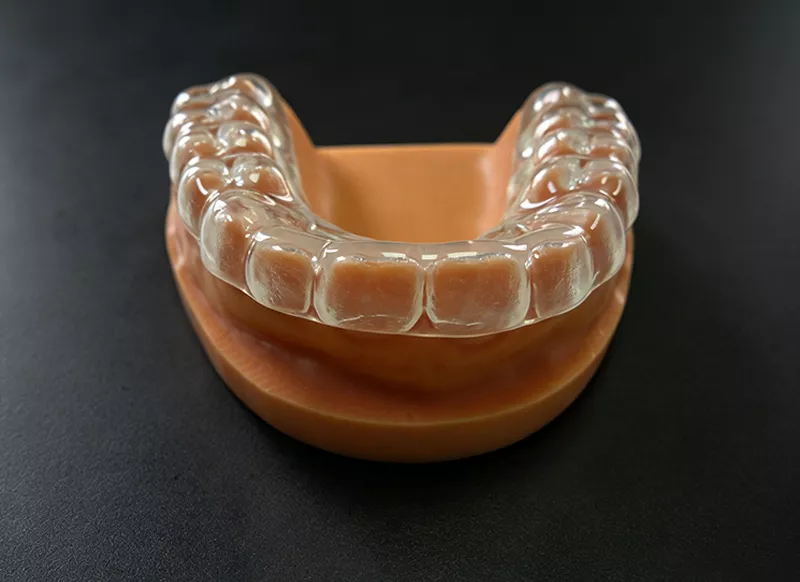

Nowadays, many e-commerce platforms offer various so-called "aligners" claiming to correct underbite, mouth breathing, and crooked teeth. Some parents, overwhelmed by "orthodontic anxiety", choose to buy self-prescribed products such as underbite facemask appliances on their own, hoping to straighten their children's teeth.
In fact, upon closer inspection, most of these products do not carry a medical device registration certificate issued by the National Medical Products Administration. They are not legally compliant orthodontic appliances, and the harm they cause to children's oral development is irreversible.
Take the underbite traction appliance as an example. By restricting a child's mandible with simple physical force, it not only fails to achieve real correction but also forcibly limits the normal growth and development of the lower jaw. This can easily lead to temporomandibular joint disorders, abnormal occlusion, and even affect the normal development of the child's facial bones.
Comments on social media such as "It will be too late if early orthodontic treatment is missed" have pushed many parents into blind comparison. In reality, each child's facial profile and jaw development are unique, and there is no one-size-fits-all template for orthodontic treatment.
Children's dental development goes through three stages: primary dentition, mixed dentition, and permanent dentition. Not all dental problems require "earlier correction the better". For instance, crowding or large gaps during the tooth replacement period are mostly normal in the growth process and will improve naturally as the jaws develop. Professional early intervention is only necessary for issues caused by underbite, narrow dental arches from thumb sucking or prolonged pacifier use, or dental developmental problems resulting from bad habits such as mouth breathing and lip biting.
Orthodontics is a highly personalized professional medical treatment, not a simple cosmetic procedure. Standard orthodontic treatment requires a dentist to make a comprehensive evaluation based on the child's jaw development, occlusion, and facial features. Even a single clear aligner requires more than 300 sets of data, with professional adjustments throughout the process. The fundamental purpose of orthodontics is to ensure healthy occlusion, promote normal craniofacial development, and improved appearance is only a secondary benefit. Parents should not regard orthodontics as a "cosmetic investment".
To ease orthodontic anxiety, first, abandon standardized aesthetics, respect each child's individual development, and avoid blind comparison and conformity. Second, reject unregulated orthodontic products from e-commerce platforms. If a child has dental abnormalities, be sure to visit the stomatology department of a regular hospital and follow professional dental advice. Third, take a scientific view of early orthodontics and do not overly worry about "missing the golden period" - most common dental malocclusions can still achieve ideal results when treated during the permanent dentition stage. Finally, pay attention to daily children's oral health care, cultivate good brushing and chewing habits, and reduce dental developmental problems from the source.