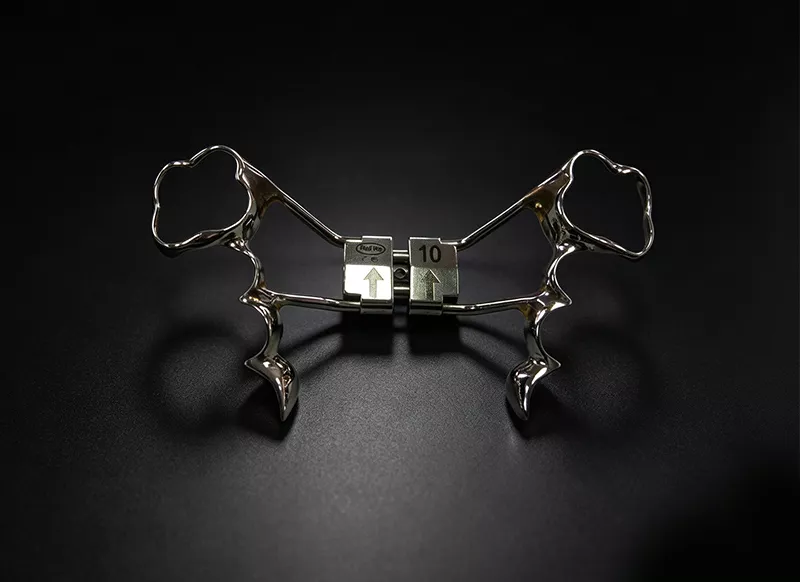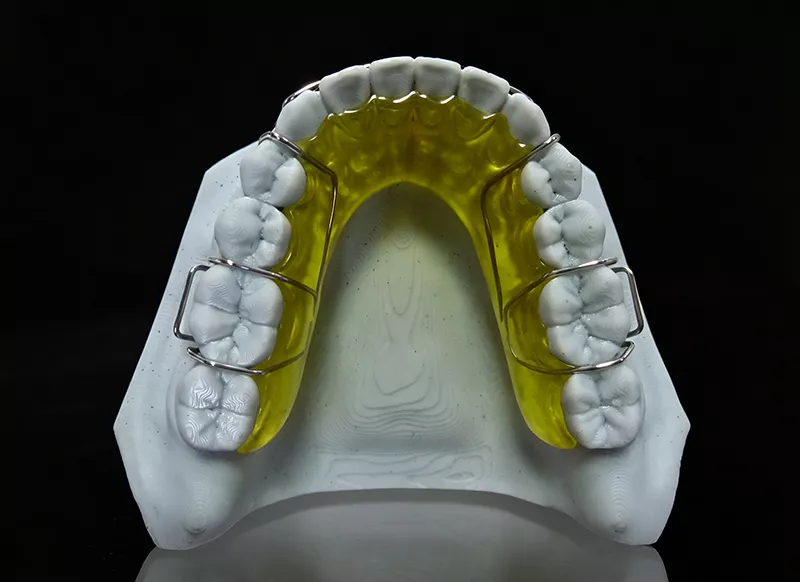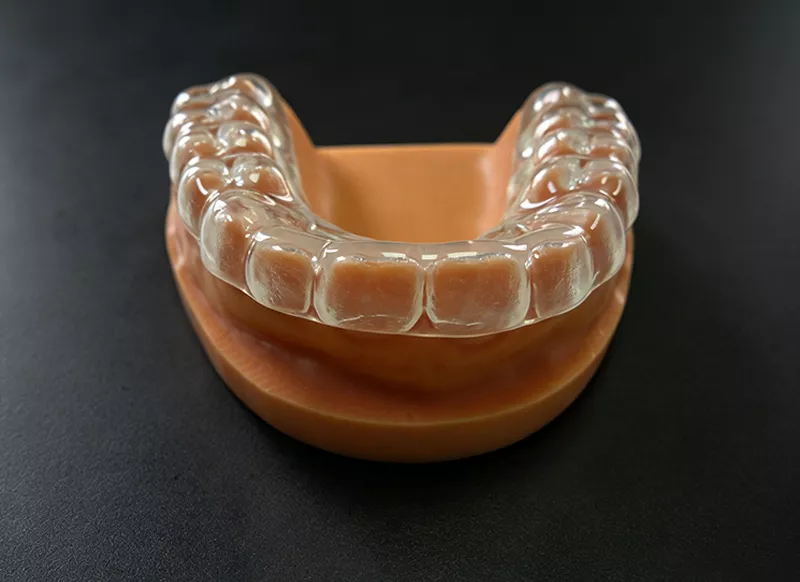

Adaptation and Wearing:
Initially, wearing a dental framework may cause discomfort as the mouth adapts to the new device. This may include feelings of discomfort, nausea, and difficulty speaking clearly. However, this is normal and can gradually improve through a period of adaptation and practice (approximately 1-2 weeks).
When putting on or taking off the dental framework, it is crucial to use the correct technique. Avoid biting down forcibly to prevent damage to the framework or discomfort in the mouth. Similarly, removing the framework should also be done carefully to avoid harming the mouth or the dental framework.
Diet and Oral Hygiene:
Initially, it is advisable to choose soft foods when wearing a dental framework, gradually introducing harder foods as adaptation occurs. Avoid eating excessively hard or sticky foods that could potentially damage the framework or compromise the stability of the denture.
Maintaining oral hygiene is essential. Besides regularly cleaning the dental framework, it is also important to clean other parts of the mouth, such as brushing teeth and using dental floss. This helps prevent oral infections and inflammation, maintaining overall oral health.
When cleaning the dental framework, use a soft-bristled brush and water. Avoid using hot water or harsh chemical cleaners that could potentially cause deformation or damage to the framework.
Regular Checks and Maintenance:
Regular checks on the condition of the dental framework are crucial. This helps detect any damage or deformation of the framework in a timely manner and arrange for necessary repairs. It is recommended to visit a dentist for a check-up every six months to a year.
If any discomfort or pain occurs during use, such as mucosal pressure pain or ulceration, it is essential to visit the dentist promptly for modification. Do not continue using it as this may worsen the problem.